Introduction
In the ever-evolving landscape of healthcare, specialized training has actually ended up being essential for registered nurses to give optimal individual treatment. One location that has actually amassed considerable interest is PEG (Percutaneous Endoscopic Gastrostomy) feeding. As more individuals need enteral nutrition because of numerous clinical conditions, it comes to be necessary for registered nurses to be equipped with the ideal abilities and knowledge. This post dives deep into why every registered nurse must take into consideration specific PEG feeding training, discovering its advantages, methodologies, and the significance of continuous education in nursing.
What is PEG Feeding?
PEG feeding describes a method of providing nutrition straight right into the belly through a PEG tube. This procedure is typically made use of for people who can not take in food orally as a result of conditions like neurological disorders, head and neck cancers cells, or severe dysphagia. Nurses play an essential role in handling PEG-fed patients, making specialized training essential.
Why Every Registered nurse Need to Think About Specialized PEG Feeding Training
Specialized training in PEG feeding outfits nurses with vital methods and understanding essential for delivering high-quality client care. This program gives understanding into enteral feeding methods, nutritional requirements evaluation, and individual management approaches.
The Importance of Enteral Nutrition Support
Enteral nourishment support is vital for patients needing long-term nutritional support due to failure to eat by mouth. In medical facilities and homecare setups alike, understanding how to implement PEG feeding can considerably enhance patient outcomes.
Understanding Enteral Feeding
Enteral feeding includes providing nutrients straight into the stomach system. It is generally liked over parenteral nutrition due to the fact that it maintains intestine honesty and advertises better absorption of nutrients.
Nurses' Role in Enteral Feeding Management
Nurses are usually at the center when it involves handling clients on enteral feeds. Their duties include:
- Assessing dietary needs Administering feed via PEG tube Monitoring for complications Educating families regarding care procedures
Benefits of Specialized PEG Feeding Training
Investing time in specialized training supplies various benefits:
Improved Individual Outcomes
With proper training, nurses can make sure that people receive appropriate nutrition tailored to their clinical requirements. This causes improved recuperation times and general health.
Enhanced Self-confidence and Competence
Specialized training courses such as enteral feeding support courses reinforce nurses' self-confidence in handling complex situations including PEG tubes.
Keeping Present with Finest Practices
Healthcare standards progress continually; thus, continuous education ensures that nurses remain notified about the current evidence-based techniques bordering enteral nutrition support.
Career Advancement Opportunities
Those that go after specialized training can open doors to sophisticated roles within their field. For example, becoming a professional registered nurse professional in enteral nourishment can be a viable job path.
What Does Specialized PEG Feeding Training Involve?
Understanding what these specialized courses entail can help registered nurses make notified choices concerning their professional development.
Curriculum Overview: Enteral Feeding Training Courses
Courses usually cover: peg feeding certificate
- Types of enteral feeding Indications for using PEG tubes Procedure for insertion and maintenance Nutritional evaluations Identifying complications connected to enteral feeding
Hands-On Technique: The Practical Part of Training
Most programs consist of hands-on technique circumstances where nurses can apply academic expertise under supervision-- this functional experience is vital when managing real-life situations.
Different Kinds of PEG Training Programs Available
There are numerous options offered for nurses thinking about obtaining their qualification:
Short Courses vs. Extended Programs
While brief programs might supply a summary and standard abilities necessary for risk-free management of enteral feeds, prolonged programs may dive deeper right into scientific guidelines and advanced nursing practices.
Online vs. In-Person Learning
With improvements in modern technology, several establishments supply both on the internet modules and in-person workshops accommodating various knowing preferences.

Recognizing Complications Associated with PEG Feeding
Understanding issues associated with PEG feeding is important for reliable individual administration:
Common Problems: A Quick Guide
|Issue|Summary|| --------------------------|---------------------------------------------------|| Infection|Regional or systemic infections from catheter site|| Tube Variation|Accidental dislodgment causing incorrect feed distribution|| Clog|Blockages triggered by inappropriate medication formula or poor purging|| Intestinal Issues|Nausea or vomiting or bloating as a result of fast feed management|
Monitoring Strategies for Efficient Management
Regular surveillance assists recognize these concerns early on. Registered nurses ought to routinely inspect insertion websites and assess individual resistance in the direction of feeds.
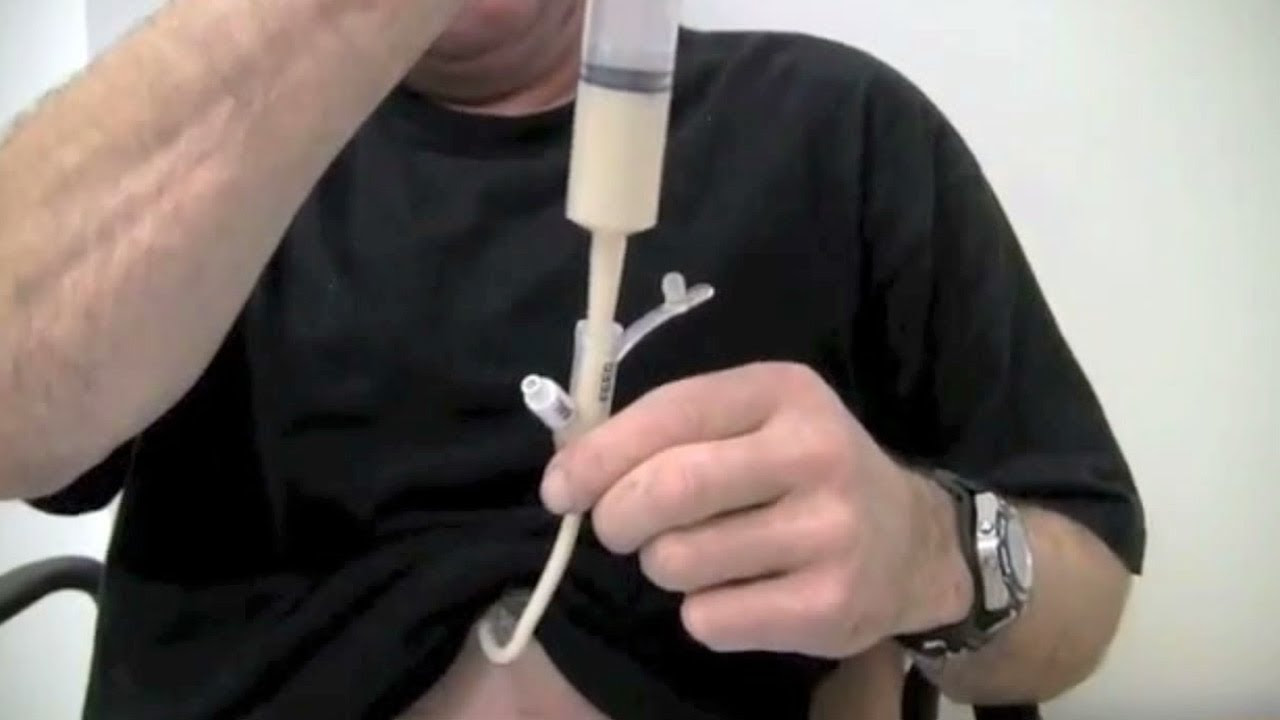
The Process of Administering Enteral Feeds via a PEG Tube
Administering feeds requires thorough focus to information:
Preparation Actions for Safe Administration
Gather all needed equipment. Verify medical professional's order regarding kind and quantity of feed. Check positioning of television by aspirating gastric contents.Administering Feed Safely
The actual procedure includes:
Positioning the individual suitably (typically upright). Administering feed gradually while observing individual reactions. Flushing television later with water based on protocol.Educating Patients & Families on Treatment Procedures
Part of a registered nurse's duty involves household education and learning pertaining to treatment techniques:
Key Subjects for Education Sessions
- Recognizing indications of complications Proper strategies for cleaning up the insertion site Instructions on how to administer feeds at home
Creating Educational Materials
Providing written products can strengthen verbal guidelines provided throughout discharge planning sessions.
Utilizing Technology in Enteral Nourishment Support
Technology plays a significantly crucial role in boosting nursing practice concerning enteral nutrition support:

Digital Devices Available for Nurses
Various applications aid with tracking intake/output proportions or computing caloric needs based upon weight changes-- a device worth considering!
Telehealth Techniques for Constant Client Support
Telehealth systems allow ongoing interaction between doctor and households, ensuring effective follow-up post-discharge from hospital settings.
FAQ Section
Here are some regularly asked inquiries concerning specialized PEG feeding training:
1. What certifications do I need in the past enlisting in a peg feeding course?
Most courses require prospects to have fundamental nursing qualifications-- such as a RN or LPN permit-- and some might choose prior experience in crucial treatment settings.
2. For how long does it require to complete a secure training course?
Course duration differs widely; brief training courses may last just a couple of days while extensive programs could extend numerous weeks-- guarantee you select one that fits your schedule best!
3. Is there continuous support after completing my secure training?
Many establishments supply sources post-training-- including accessibility to online discussion forums where you can ask questions or consult from experienced experts within this specialty area!
4. Can I educate others regarding peg feeding after completing my training?
Yes! Once licensed, you'll likely have possibilities not just within your office however additionally neighborhood outreach efforts targeted at educating caretakers concerning safe practices bordering enterally fed patients!
5. Exist any kind of qualifications specifically customized in the direction of NDIS peg feeding training?
Absolutely! Several companies give accreditation specifically tailored toward meeting National Handicap Insurance coverage Plan (NDIS) standards-- these programs concentrate heavily on useful abilities along with compliance-oriented material relevant throughout Australia!
6. What resources are available if I desire added information before deciding?
Numerous online systems exist including write-ups discussing both theoretical foundations alongside practical understandings relating especially in the direction of finest methods around carrying out secure feeds efficiently throughout varied populations!
Conclusion
In recap, specialized PEG feeding training is a very useful property every nurse must think about pursuing as component of their professional development trip within healthcare systems today! Not only does it improve ability required when taking care of prone populaces calling for enterally delivered nutrition-- it additionally encourages people toward making informed decisions while promoting self-confidence degrees among specialists browsing complex scientific circumstances daily! With a lot of advantages connected closely with each other-- what's holding you back? Start exploring your choices today!